

US-92
27.9400497,
-82.5057312
Why Different Sources Show Different Traffic Information on US-92
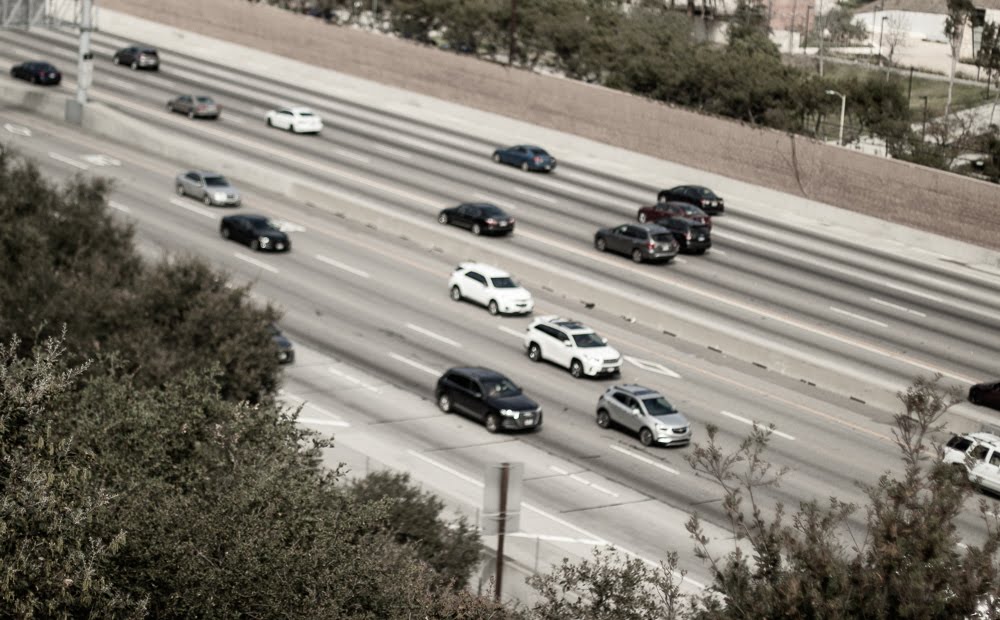

Traffic and incident information on US-92 comes from multiple independent sources. The Florida Department of Transportation, law enforcement agencies, local news outlets, and navigation platforms all collect and publish data. Each source updates on a different timeline and serves a different role. This structure explains why drivers often see conflicting traffic reports that US-92 travelers encounter across apps, websites, and broadcasts.
These differences do not mean one source is incorrect. They reflect how multiple reporting systems gather, verify, prioritize, and display roadway information. Understanding these differences in traffic data sources helps drivers interpret inconsistent traffic alerts with more clarity and less frustration.
How FDOT Determines What Becomes an Official US-92 Traffic Alert
FDOT publishes official advisories based on confirmed roadway impact, not on every reported incident. A notice appears only after staff verify that a condition affects active travel lanes, creates a safety concern, or disrupts traffic flow measurably.
FDOT relies on a network of traffic cameras, in-road sensors, Road Ranger service patrols, and communication with partner agencies. Staff reviews incoming information before releasing it publicly. This review process reduces false alarms and prevents frequent corrections, but it can delay publication during rapidly changing situations.
If a crash occurs on the shoulder and traffic continues to move normally, FDOT may not issue an alert. Drivers passing through the area may still see emergency vehicles and assume a broader disruption exists. The absence of an advisory does not mean nothing happened. It means the event did not meet the agency’s threshold for public roadway impact.
FDOT distributes verified updates through Florida 511. That system focuses on confirmed conditions rather than moment-to-moment traffic fluctuations.
Why official alerts sometimes appear later than apps
FDOT confirms roadway impact before publishing. Verification requires human review and coordination.
Navigation apps post based on speed changes alone. This difference explains why official vs app traffic info rarely appears at the same time.
Why Navigation Apps Show Congestion Before Agencies Do
Navigation apps rely on GPS traffic tracking rather than formal incident confirmation. When many vehicles slow along US-92, the system detects abnormal speed patterns and flags congestion in real time.
This method explains many differences in traffic data sources. Apps collect anonymized location data from active users. When average speeds drop below expected levels, the platform generates a visual warning. The alert may appear within minutes of a slowdown.
However, the system does not verify the cause. A slowdown may result from heavy volume, signal timing near commercial corridors, merging traffic, weather conditions, or tourist traffic behavior. The app displays movement data only.
Because of this design, apps often display delays before any official advisory appears. The same design also explains why some alerts disappear quickly once traffic resumes normal speeds.
Why app alerts sometimes clear without explanation
Apps update continuously as new data arrives. When speeds improve, the system removes congestion markers automatically.
No agency announcement marks the end of minor slowdowns. The system simply reflects current movement.
How Law Enforcement Reporting Affects Public Traffic Information
Law enforcement agencies respond to emergencies with a focus on safety and scene control. Officers secure the area, assist injured parties, and direct traffic before they complete documentation. Public traffic messaging does not drive the initial response.
Crash reports enter internal systems after officers complete review and administrative processing. These records support legal documentation and statistical tracking, not live traffic feeds. Most navigation apps and traffic maps do not pull directly from police reporting databases.
This separation contributes to inconsistent traffic alerts across platforms. A driver may see patrol vehicles and temporary lane control in person while digital systems show little detail. Conversely, an app may display congestion before officers arrive.
Law enforcement communication channels prioritize accuracy and record integrity. Real-time public updates remain secondary to response duties.
Why Local News Coverage Differs From Live Traffic Maps
Local news outlets gather information through official briefings, public information officers, scanner monitoring, and viewer tips. Editors verify key facts before publishing online or broadcasting on air.
This editorial process creates another layer within multiple reporting systems. News coverage often appears after agencies confirm basic details. It rarely updates minute by minute.
News articles typically provide general descriptions of location and traffic impact. They do not function as live congestion maps. An online story may remain visible after conditions clear because its purpose involves reporting an event, not managing travel flow.
Drivers sometimes interpret differences between news articles and app displays as contradictions. In reality, each source serves a separate function. One explains what happened. The other shows how traffic currently moves.
How Timing Gaps Create Conflicting Traffic Reports on US-92
Each traffic information source operates on its own timeline. FDOT verifies and posts confirmed roadway impacts. Navigation apps update constantly based on vehicle movement. Newsrooms publish after verification. Law enforcement completes documentation after scene stabilization.
These timing gaps explain many conflicting traffic reports that US-92 drivers notice during busy travel periods. At one moment, an app may show heavy congestion while official systems show no alert. Minutes later, an agency advisory may appear after confirmation.
An event may also resolve quickly before official publication occurs. Drivers who experienced the delay may expect to see a notice later and feel confused when none appears. The event may have ended before it met formal reporting thresholds.
These differences reflect workflow priorities, not misinformation. Each platform emphasizes a different balance between speed and verification.
Why does no single platform show the full picture?
No unified system synchronizes every data stream instantly. Each platform processes inputs independently.
Drivers gain a broader context by reviewing more than one trusted source before adjusting travel plans.
How Weather, Volume, and Construction Influence Inconsistent Traffic Alerts
US-92 passes through high-traffic areas in Central Florida, including corridors near Daytona Beach. Weather shifts, routine peak travel congestion, and ongoing construction projects affect traffic patterns daily.
Navigation apps detect sudden drops in speed regardless of cause. Agencies may not issue advisories for predictable congestion during weekend traffic that US-92 drivers expect. This gap contributes to inconsistent traffic alerts.
For example, holiday travel in Central Florida generates heavy seasonal traffic patterns that Daytona Beach frequently experiences. Vehicles may slow for beach access, retail centers, or event venues. Apps flag the slowdown. Official systems may remain silent because no hazard or lane closure exists.
Construction zones create similar discrepancies. Lane narrowing and reduced speeds produce visible congestion. If traffic continues to move within expected parameters, agencies may not publish a notice.
Why volume alone triggers digital warnings
GPS systems measure movement, not incident type. High tourist traffic behavior often mirrors crash-related slowdowns in raw speed data.
This overlap explains why app-based alerts sometimes appear dramatic during routine peak periods.
Why Data Formatting and Map Design Change What Drivers See
Platforms display traffic information differently, even when relying on overlapping inputs. One system may use color-coded speed lines. Another may show icons for stalled vehicles or lane closures. A third may present text-based advisories.
Official sites emphasize confirmed closures and safety impact. Navigation apps emphasize estimated arrival times and alternative routing. News outlets emphasize narrative clarity and location context.
These presentation differences shape perception. Drivers may assume differences in severity when they reflect interface design rather than underlying conditions.
Update frequency also varies. Some apps refresh continuously as data streams in. Official websites may refresh at defined intervals. These technical settings contribute to visible variation across multiple reporting systems.
What Drivers Should Know About Differences in Traffic Data Sources on US-92
Different sources show different traffic information on US-92 because they collect, verify, and publish data for different reasons. Agencies confirm roadway impact before issuing alerts. Navigation apps rely on GPS traffic tracking to show live vehicle movement. News outlets publish verified summaries. Law enforcement systems prioritize documentation accuracy.
Conflicting traffic reports US-92 drivers encounter usually reflect timing, thresholds, and design choices. They rarely indicate an error. Understanding official vs app traffic info reduces confusion when inconsistent traffic alerts appear during heavy travel periods.
Drivers in Central Florida benefit from comparing official advisories with real-time app displays and reputable news coverage. Official systems confirm sustained impact. Apps reveal immediate movement changes. News outlets add context once details stabilize.
Recognizing these limits helps drivers interpret differences in traffic data sources with clearer expectations. It also supports informed decisions during routine congestion, construction, or unexpected delays along US-92. For more information about traffic on US-92, get in touch with us by filling out our contact form on our website.
Accidents currently listed on us92accidents.com
8 accidents in 2022