

US-92
27.9400497,
-82.5057312
How Coastal Weather Patterns Affect US-92 Travel Advisories


For drivers on US-92, the road is more than a simple east-west artery; it is a high-stakes environment where coastal conditions can shift from clear skies to a blinding tropical downpour in minutes. When these rapid changes occur, motorists find themselves navigating a fragmented landscape of information. Data from the Florida Department of Transportation (FDOT), local law enforcement, and real-time navigation platforms often seemingly conflict, leaving drivers to wonder which source to trust during a storm. This discrepancy exists because these agencies operate on different operational timelines. While an app might show a “red” congestion line, the FDOT’s official incident listing might still be awaiting a manual confirmation from a responding officer.
Understanding this hierarchy of information is essential for anyone traversing the “Sunshine State.” Official alerts are designed for infrastructure management and emergency deployment, prioritizing road closures and safety hazards over the granular “why” of a specific vehicle crash. In the coastal stretches of US-92, where sudden fog banks and localized flooding can overwhelm drainage systems in an instant, these reporting systems are stretched to their limits. By recognizing how weather patterns influence these data streams, drivers can move past the confusion of differing notifications and develop a more accurate, safety-first interpretation of the road ahead.
How Coastal Weather Creates Rapid Traffic Changes on US-92
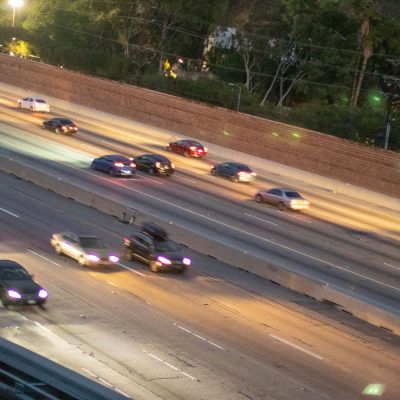
Coastal weather near Daytona Beach changes faster than inland conditions. Sea breezes, shifting pressure zones, and localized rain bands can alter driving conditions within minutes. These changes affect visibility, traction, and driver behavior almost immediately.
Traffic often slows before any advisory appears. Drivers react to slick pavement, glare, or sudden downpours by reducing speed. These reactions compress traffic flow and trigger congestion indicators. Reporting systems may register slow movement before identifying weather as the cause. This explains why US-92 traffic appears disrupted without an accompanying alert.
Coastal storms also vary by location. One stretch of US-92 may remain dry while another experiences heavy rain. This uneven impact complicates reporting and creates gaps between driver experience and posted updates.
What US-92 Weather Advisories From FDOT Actually Represent
FDOT weather advisories describe roadway impact rather than weather detail. They indicate when conditions interfere with safe or efficient traffic movement on US-92.
FDOT collects information through traffic cameras, pavement sensors, and field observations. Staff verify that weather affects lane access, visibility, or traffic flow before posting updates. This process prioritizes accuracy over speed.
Short weather events often resolve before confirmation occurs. In these cases, no advisory appears despite noticeable slowdowns. Drivers may still experience delays caused by rain or wind, even without official notice.
Why advisories focus on roadway impact
FDOT communicates operational status, not forecasts. Advisories answer whether travel conditions change, not why storms formed.
How Storm-Related Traffic Alerts Reach the Public
Storm-related traffic alerts emerge through layered reporting. Weather services identify storms, while transportation agencies assess road impact. Law enforcement reports hazards such as debris, standing water, or signal disruptions.
FDOT evaluates whether these factors affect traffic flow. Only confirmed impacts become official US-92 weather advisories. This verification creates a delay but reduces false alerts.
Navigation platforms detect congestion faster by analyzing vehicle speed. These systems may show slowdowns minutes before agencies confirm weather involvement. As a result, drivers often see traffic changes before seeing alerts.
This timing difference explains why storm-related traffic alerts vary across platforms during weather.
Why Coastal Rain Causes Disproportionate Congestion
Even brief coastal rain can create significant congestion on US-92. Drivers brake earlier and increase following distance to maintain control. These adjustments reduce roadway capacity and slow overall movement.
Drainage patterns also influence congestion. Some sections collect water quickly due to elevation or design. Standing water may slow traffic without closing lanes. These conditions rarely trigger advisories unless flooding blocks travel.
Why minor flooding often lacks alerts
Advisories require confirmed impact. Light pooling may slow traffic, but remain passable.
This threshold explains why congestion appears without warnings during moderate rain events.
How Wind and Visibility Affect Florida Coastal Driving Conditions
Coastal winds affect vehicle stability, especially for trucks and vans. Gusts push vehicles across lanes and increase driver caution. Reduced visibility from spray, mist, or fog further limits safe speeds.
FDOT may issue advisories when wind disrupts traffic flow or causes lane restrictions. Moderate wind often produces slowdowns without alerts. Drivers still experience delays due to increased caution.
Navigation platforms capture these slowdowns through speed data. Maps may show congestion without explanation. Understanding wind effects clarifies many sudden traffic changes on US-92 during coastal weather.
How Weather Affects the Timing and Accuracy of Traffic Updates
Weather complicates traffic reporting timelines. Conditions can worsen or improve quickly along coastal corridors.
FDOT updates require confirmation, which adds time. Crowd-sourced platforms update faster but rely on driver input. This creates variation between official advisories and live traffic updates.
Why do alerts change or disappear quickly?
As storms move, traffic conditions shift. Agencies remove advisories once the impact ends.
Drivers should expect brief inconsistencies during active weather periods.
Frequently Asked Questions About Weather Advisories on US-92
Do US-92 weather advisories appear for every storm?
No. Advisories appear only when the weather affects traffic flow or lane availability.
Why does traffic slow without a posted alert?
Drivers often adjust behavior before agencies confirm impact. Maps reflect movement changes first.
Are official advisories more reliable than navigation apps?
Official advisories provide verified impact information. Apps show real-time patterns with less context.
These differences reflect purpose rather than accuracy.
How Drivers Can Interpret Weather-Affected Road Travel More Clearly
Drivers benefit from comparing multiple sources during coastal weather events. FDOT advisories confirm operational impact, while navigation platforms show immediate traffic behavior.
Weather context explains many sudden slowdowns on US-92. Rain, wind, and visibility changes influence traffic even without alerts. Understanding reporting limits helps drivers set realistic expectations.
Checking both official sources and live maps offers a clearer picture. This approach reduces confusion during rapidly changing coastal conditions.
Understanding Coastal Weather and US-92 Travel Advisories
Coastal weather patterns affect US-92 travel conditions in fast and sometimes subtle ways. Different agencies report weather impacts based on role, timing, and verification standards. This structure creates variation across advisories, maps, and alerts. Drivers traveling through Central Florida benefit from checking more than one trusted source. Recognizing how US-92 weather advisories form allows commuters, visitors, and families to interpret traffic conditions with greater clarity and confidence.
For more information about how coastal weather patterns affect US-92 travel advisories, get in touch with us by filling out our contact form on our website.
Accidents currently listed on us92accidents.com
8 accidents in 2022