

US-92
27.9400497,
-82.5057312
How Weekend and Holiday Traffic Behaves on US-92
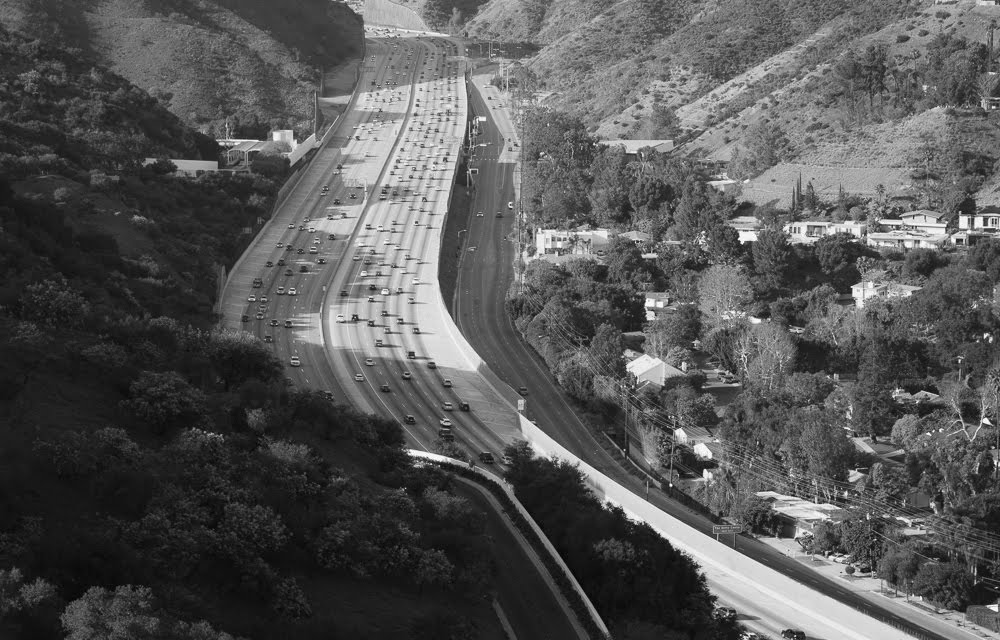

Traffic conditions on US-92 come from several independent systems that track, verify, and publish roadway information for different purposes. The Florida Department of Transportation, law enforcement agencies, local governments, news outlets, and navigation platforms all contribute data. Each source updates on a different timeline and applies different standards for confirmation. Because of this structure, weekend traffic US-92 alerts and holiday updates often appear inconsistent unless drivers understand how they form.
US-92 runs through dense commercial corridors and tourist areas in Central Florida, including routes tied closely to Daytona Beach activity. Traffic behavior changes sharply on weekends and holidays, even when no crash or closure exists. Understanding how these patterns affect reporting helps drivers interpret alerts more accurately.
How FDOT Tracks Weekend and Holiday Traffic on US-92
FDOT monitors US-92 traffic conditions based on roadway impact, not just traffic volume. The agency focuses on lane blockages, signal disruptions, stalled vehicles, and conditions that affect safety or flow. High congestion alone does not always trigger an official advisory.
During weekends and holidays, FDOT relies on traffic cameras, roadway sensors, and Road Ranger observations to confirm conditions. Staff verify whether congestion reflects routine tourist traffic or an event that requires action. This verification step can delay postings during peak travel congestion.
Holiday travel in Central Florida often causes slowdowns that resolve without intervention. FDOT may never issue an alert if traffic continues to move, even at reduced speeds. Drivers may still see delays before any official notice appears.
For verified statewide travel information, FDOT publishes updates through Florida 511.
Why Navigation Apps Detect Tourist Traffic Behavior First
Navigation platforms detect traffic changes by analyzing vehicle speed and density in real time. When cars slow abruptly on US-92, algorithms flag abnormal patterns. These systems respond quickly during weekends and holidays when volume spikes suddenly.
Tourist traffic behavior often includes frequent lane changes, missed turns, and sudden braking near attractions and beaches. Apps capture these patterns without identifying the cause. A slowdown may come from heavy volume, pedestrian crossings, or signal timing rather than an incident.
Because apps update continuously, alerts may appear and disappear within minutes. Drivers often see app warnings before any agency confirmation. These alerts reflect traffic behavior, not verified events.
How Seasonal Traffic Patterns Affect US-92 Alerts
Seasonal traffic patterns in Daytona Beach sees follow predictable cycles tied to weather, school schedules, and tourism. Spring break, summer weekends, and holiday periods bring sustained increases in traffic along US-92. These patterns strain signal timing and intersection capacity.
Traffic systems do not always distinguish between seasonal congestion and unexpected disruptions. Sudden volume increases can trigger alerts that look similar to incident warnings. These alerts often clear once traffic stabilizes.
Drivers unfamiliar with the area may assume a crash caused delays. In many cases, the slowdown reflects routine seasonal movement rather than a reportable event. Understanding this distinction helps reduce confusion when alerts lack detail.
How Law Enforcement Information Enters the Traffic Picture
Law enforcement agencies focus on scene safety and traffic control rather than live public updates. Officers respond to crashes, disabled vehicles, and crowd-related issues common during holiday travel in Central Florida. Public messaging comes later, if at all.
Police reports enter internal systems after officers complete their duties. These records do not automatically feed traffic alert platforms. As a result, lane closures or manual traffic control may occur without immediate digital notice.
On weekends and holidays, staffing demands can further delay public reporting. Drivers may rely on physical signage or officer direction before any online update appears.
Why News Reports Lag Behind Peak Travel Congestion
Local news outlets report on US-92 traffic based on confirmed information from agencies and field observation. Newsrooms avoid publishing unverified alerts, especially during fast-changing conditions. This approach prioritizes accuracy over speed.
Weekend traffic on US-92 conditions can change faster than editorial updates. A reported slowdown may resolve before an article posts. Online stories may remain visible after traffic normalizes.
News coverage provides context rather than real-time guidance. Drivers should treat news alerts as background information, not live navigation tools.
How Weather and Events Change Holiday Travel Patterns
Weather plays a major role in peak travel congestion on US-92. Rain, reduced visibility, and sudden storms slow traffic even without incidents. Holiday weekends amplify these effects as volume increases.
Special events near Daytona Beach also alter traffic flow. Races, festivals, and beach gatherings draw visitors unfamiliar with local roads. Signal-heavy stretches of US-92 experience repeated slowdowns during these periods.
Traffic systems may not label these conditions as event-related. Alerts often reflect speed changes only. Drivers benefit from checking multiple sources to understand whether delays stem from weather, events, or routine congestion.
How Timing Differences Create Conflicting US-92 Updates
Each traffic information source operates independently. Navigation apps update continuously. FDOT posts after verification. Law enforcement communicates through operational channels. News outlets publish on editorial schedules.
An event on US-92 may appear first as congestion in an app. FDOT may confirm later if roadway impact exists. News coverage may follow once officials release details. These staggered updates explain conflicting information.
No single platform shows the full picture at all times. Drivers gain clarity by comparing official advisories with observed traffic behavior.
What Drivers Should Know About Weekend Traffic on US-92 Before They Travel
Weekend and holiday traffic behavior on US-92 reflects layered reporting rather than a unified system. Delays often result from volume, seasonal patterns, and tourist movement rather than incidents. Alerts may appear vague or late because agencies verify impact before posting.
Drivers traveling through Central Florida benefit from using multiple trusted sources. Official FDOT updates confirm verified conditions. Navigation apps show immediate traffic response. News reports add context once information stabilizes.
Understanding these limits helps drivers interpret travel alerts more accurately. It also reduces frustration when peak travel congestion appears without explanation. If you want more information about US-92 traffic reporting or have questions about recurring delays, you can contact our team through the website contact form for general guidance. For more information about weekend and holiday traffic on US-92, get in touch with us by filling out our contact form on our website.
Accidents currently listed on us92accidents.com
8 accidents in 2022