

US-92
27.9400497,
-82.5057312
What Drivers Should Know About US-92 Travel Warnings
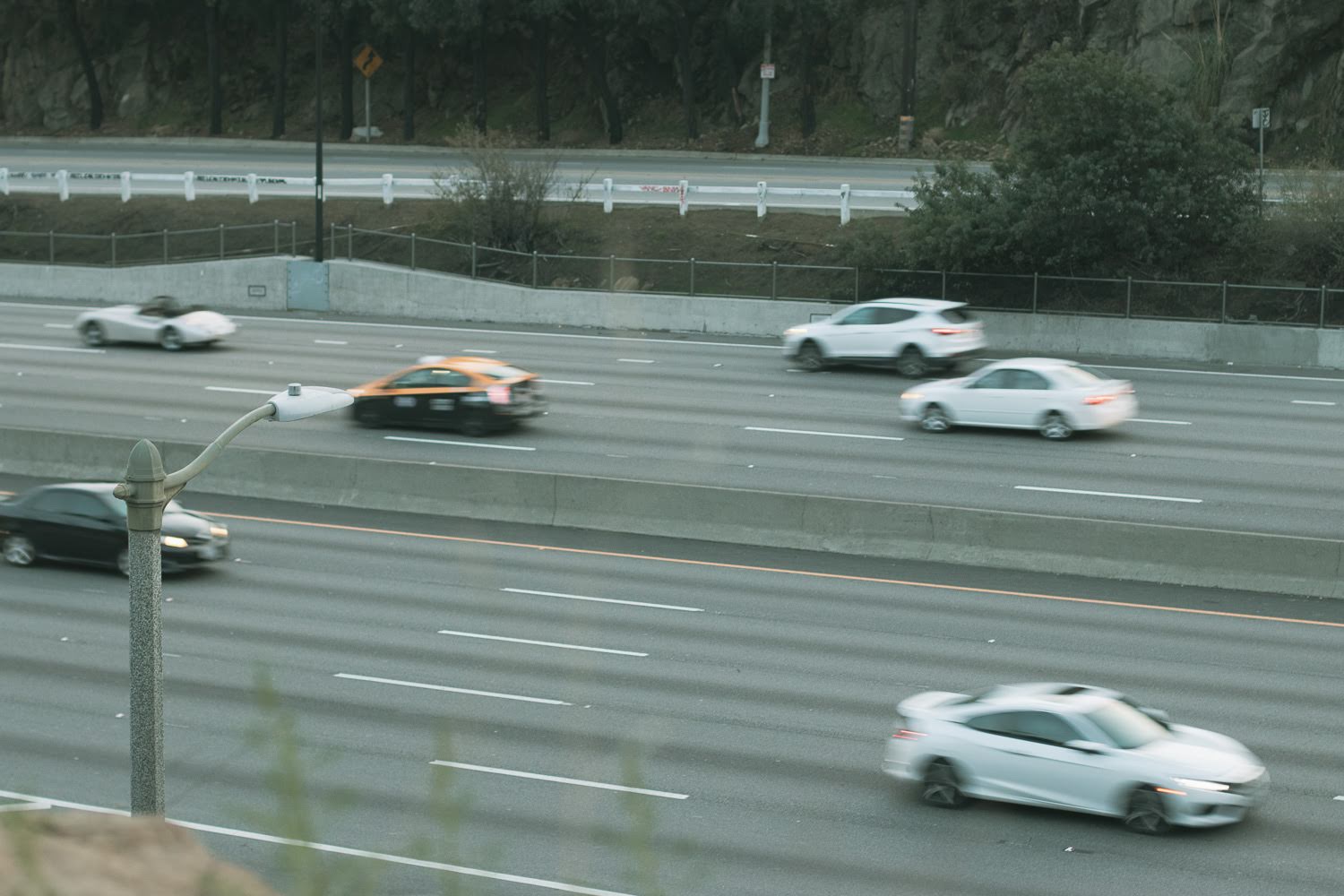

Travel warnings on US-92 come from several independent systems that collect and publish traffic information for different purposes. The Florida Department of Transportation, law enforcement agencies, local governments, news outlets, and navigation platforms all contribute to the flow of alerts drivers see. Each source updates on its own timeline and follows its own standards for verification and detail. Because of this structure, US-92 travel warnings often appear inconsistent or incomplete unless drivers understand how these systems work together.
Road advisories in Central Florida do not function as a single real-time broadcast. They represent layers of confirmed data, observed traffic behavior, and institutional priorities. Knowing how these warnings form helps drivers interpret driving alerts on US-92 with more confidence.
How FDOT Generates Official US-92 Travel Warnings
FDOT issues official travel warnings based on roadway impact rather than the existence of every incident. A warning appears only after staff confirm that traffic flow, lane access, or roadway safety faces disruption.
FDOT relies on traffic cameras, roadway sensors, Road Ranger patrols, and verified reports from partner agencies. Each data point requires confirmation before publication. This process reduces errors but introduces delay during fast-moving situations.
Many minor events never reach FDOT systems because they resolve quickly or remain confined to shoulders. Drivers may experience congestion before FDOT posts a warning.
Why FDOT warnings sometimes appear late
FDOT confirms impact before publishing. Verification protects accuracy but slows updates.
Drivers may encounter delays before seeing official highway safety notices.
FDOT manages statewide advisories through Florida 511, which provides verified travel warnings and closures.
How Law Enforcement Shapes Driving Alerts on US-92
Law enforcement agencies focus on safety, medical response, and traffic control rather than public messaging. Officers secure scenes first and communicate later.
Police departments document incidents for investigative records, not live travel alerts. Reports often enter internal systems hours after the event. These records do not automatically feed into public traffic warning systems.
Officers may close lanes or intersections without immediate digital notice. Drivers nearby follow physical cues before online alerts appear.
Why police information rarely appears in real time
Crash documentation requires review and administrative steps. These steps delay public access.
Traffic warning systems prioritize verified roadway impact over investigative detail.
How Navigation Apps Detect Traffic Warnings Before Agencies
Navigation platforms generate alerts based on real-time driving behavior. When vehicles slow abruptly on US-92, algorithms flag abnormal patterns.
Apps also accept user reports, which can accelerate visibility. These systems do not confirm the cause of congestion. A slowdown may result from weather, construction, traffic signals, or routine volume.
This approach explains why apps often show driving alerts on US-92 before any official advisory appears. It also explains why alerts may change quickly.
Why app alerts disappear without explanation
Apps update continuously as speeds normalize. Alerts clear automatically.
Drivers should treat app warnings as traffic indicators, not confirmed events.
Why Many US-92 Travel Warnings Lack Detail
Public travel warnings intentionally limit detail. Most alerts list location, direction, and lane status but exclude cause or severity.
Agencies avoid releasing information that may change or involve sensitive details. This restraint prevents corrections later but can feel vague to drivers seeking clarity.
Incomplete descriptions reflect caution rather than missing data. Agencies prioritize consistency and public safety over narrative completeness.
Why vague language serves a purpose
General wording allows updates without retractions. Agencies reduce misinformation risk.
Highway safety notices focus on conditions drivers must respond to immediately.
How Timing Differences Create Conflicting Road Advisories
Each traffic warning source updates independently. FDOT, law enforcement, newsrooms, and navigation platforms do not share a unified publishing clock.
An event on US-92 may first appear as congestion in an app. FDOT may post later after verification. News coverage may follow once officials confirm facts.
These staggered updates explain why drivers see different information across platforms at the same time.
Why no single system shows the full picture
Each system serves a different role. Speed, accuracy, and authority rarely align.
Drivers gain context by checking multiple trusted sources.
How Weather and Construction Affect US-92 Travel Warnings
US-92 runs through areas affected by Florida weather patterns and dense development. Heavy rain, reduced visibility, and localized flooding can slow traffic without a crash.
Construction zones and signal-heavy corridors create recurring congestion. Traffic warning systems may not distinguish between weather-related slowdowns, routine delays, and incidents.
This overlap leads drivers to assume an event exists when conditions alone cause delays. Alerts may clear once traffic stabilizes.
Why congestion alone triggers alerts
Sudden speed drops activate systems automatically. These triggers do not confirm cause.
Weather-affected road travel often produces temporary warnings.
How News Outlets Contribute to Highway Safety Notices
Local news outlets report on US-92 conditions based on official briefings, scanner traffic, and viewer tips. Coverage often appears after agencies confirm information.
News reports provide context but do not update continuously. A reported travel warning may remain online after conditions change.
Drivers should view news alerts as supplemental information rather than real-time guidance.
Why news timing differs from traffic apps
Newsrooms verify before publishing. Updates depend on staff availability.
Traffic warning systems update automatically, not editorially.
What Drivers Should Know When Interpreting US-92 Travel Warnings
US-92 travel warnings reflect a layered reporting environment rather than a single live feed. Delays often result from verification requirements and limited roadway impact. Vague alerts reflect caution, not omission.
Drivers traveling through Central Florida benefit from comparing official FDOT advisories with navigation app behavior. Official warnings confirm verified conditions. Apps show immediate traffic response. News coverage adds context once information stabilizes.
Understanding these limits helps drivers interpret road advisories in Central Florida more accurately. It also reduces confusion when driving alerts on US-92 appear late, change suddenly, or conflict across platforms. For more information about US-92 travel warnings, get in touch with us by filling out our contact form on our website.
Accidents currently listed on us92accidents.com
8 accidents in 2022