

US-92
27.9400497,
-82.5057312
How Emergency Road Closures Are Communicated on US-92
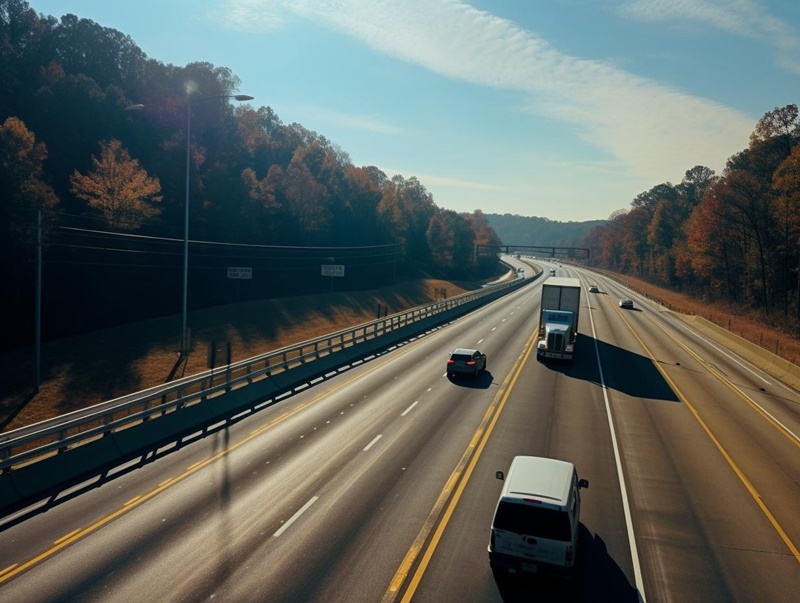

Traffic and road closure information on US-92 comes from several independent sources. These include the Florida Department of Transportation, law enforcement agencies, emergency responders, local governments, news outlets, and navigation platforms. Each source collects and publishes information for a specific role and on a different timeline. Because these systems do not update in sync, emergency road closures on US-92 may appear at different times, with varying detail, depending on where drivers look.
Understanding how emergency traffic notices move through this system helps explain why Florida highway shutdown alerts sometimes feel delayed, incomplete, or inconsistent. It also helps drivers interpret detour information on US-92 more accurately during fast-changing conditions.
How FDOT Confirms and Publishes US-92 Road Closures
FDOT publishes road closure information only after staff confirm that a section of US-92 is unsafe or impassable. Closure decisions focus on traffic impact and public safety rather than the cause of the emergency.
FDOT gathers information from traffic cameras, roadway sensors, Road Ranger patrols, and verified reports from partner agencies. Staff review these inputs before issuing an advisory. This verification step reduces false alerts but can delay publication during rapidly developing events.
Emergency closures may involve flooding, downed power lines, damaged pavement, or police activity. FDOT updates closure status as conditions change, but updates may lag behind real-world reopening.
Why do some closures appear after drivers already detour
FDOT waits for confirmation before publishing. Drivers on scene may reroute before alerts appear.
Official closure notices reflect verified conditions, not first observations.
For statewide closure and detour updates, FDOT manages Florida 511.
How Law Enforcement Initiates Emergency Traffic Shutdowns
Law enforcement agencies often trigger the initial closure of US-92 during emergencies. Officers may block lanes or intersections to protect responders or the public.
These closures can happen quickly and without advance notice. Officers prioritize safety and scene control over public communication. As a result, a shutdown may exist on the ground before any digital alert appears.
Police relay closure information to FDOT or dispatch centers after securing the scene. This handoff introduces a delay before Florida highway shutdown alerts reach drivers outside the immediate area.
Why police-led closures change without warning
Officers may reopen lanes once hazards are cleared. These decisions respond to conditions, not schedules.
Public systems update only after agencies report the change.
How Emergency Responders Affect Closure Timing and Scope
Fire departments, medical responders, and utility crews influence how long US-92 remains closed. Their work often determines when lanes can reopen safely.
Hazardous materials, vehicle fires, or damaged infrastructure require clearance before traffic resumes. Responders may expand or shrink closure zones as work progresses. These adjustments may not immediately appear in traffic feeds.
Emergency road closure communication reflects responder needs first. Public updates follow once agencies share confirmed information.
Why closures sometimes extend beyond the visible hazard
Responders may secure areas outside the obvious scene. Safety buffers protect workers and drivers.
Public maps may not show these operational boundaries clearly.
How Navigation Apps Detect and Display Emergency Closures
Navigation platforms infer closures based on traffic behavior and user reports. When vehicles stop moving on US-92, algorithms may flag a possible closure.
These systems update quickly but lack official confirmation. An app may show a closure that later proves temporary or partial. In other cases, apps may miss closures that divert traffic before congestion forms.
Navigation tools help drivers react in real time. However, they cannot replace verified emergency traffic notices.
Why app-based closure alerts may disappear suddenly
When traffic resumes, systems remove alerts automatically. No explanation usually follows.
Drivers should treat these alerts as situational indicators, not official statements.
How Detour Information for US-92 Is Shared
Detour information on US-92 comes primarily from FDOT and local agencies. Detours appear only after agencies assess traffic flow and alternate routes.
Some closures rely on informal rerouting by officers rather than posted detours. In these cases, drivers may follow on-scene directions that never appear online. Formal detours take longer to publish because they require coordination.
News outlets may report detours based on agency briefings. Navigation apps may suggest alternate routes based on congestion, not official guidance.
Why do detour routes differ across platforms?
Each system calculates routes differently. Some prioritize speed, while others follow agency plans.
Drivers may see conflicting advice during major closures.
Why Weather-Related Emergencies Complicate Closure Reporting
US-92 runs through areas vulnerable to flooding, storms, and coastal conditions near Daytona Beach. Weather-related closures often evolve quickly.
Flooding may block lanes without warning. Water levels can rise or recede within hours. Agencies may close sections of US-92 as a precaution, then reopen them once inspections finish.
These changes challenge emergency traffic notices. Systems may show outdated information until staff confirm conditions again.
Why storm closures feel unpredictable
Weather impacts shift faster than the reporting systems update. Agencies err on safety.
Drivers may encounter open roads that still show as closed online.
How Timing Differences Create Confusion Across Sources
Each reporting channel updates independently. FDOT, law enforcement, newsrooms, and apps do not share a single live feed.
An emergency closure on US-92 may first appear as stopped traffic in an app. FDOT may post an advisory later. News coverage may follow once officials confirm details.
These staggered updates explain why closure information rarely aligns across platforms at the same moment.
Why does no single source show the full picture?
Each system serves a different purpose. Speed, accuracy, and authority do not always align.
Comparing sources provides a better context during emergencies.
What Drivers Should Know When Interpreting US-92 Closure Alerts
Emergency road closure communication reflects safety priorities and verification limits. US-92 road closures may appear late because agencies confirm conditions before publishing. Details may remain limited to avoid errors during active emergencies.
Drivers traveling through Central Florida benefit from checking more than one trusted source. Official FDOT advisories confirm verified closures and detours. Navigation apps reveal real-time traffic behavior. News updates add context once information stabilizes.
Understanding these limits helps drivers respond calmly to emergency traffic notices on US-92. It also reduces confusion when alerts change, disappear, or conflict during rapidly evolving events. For more information about how emergency road closures are communicated on US-92, get in touch with us by filling out our contact form on our website.
Accidents currently listed on us92accidents.com
8 accidents in 2022